Stability after stroke
That's why IEE created FES Integration with WalkinSense—intelligent stimulation guided by real gait data. Because stable walking begins with synchronized motion, not isolated exercise.
Stability after stroke
That's why IEE created FES Integration with WalkinSense—intelligent stimulation guided by real gait data. Because stable walking begins with synchronized motion, not isolated exercise.
Real-world
gait patterns
Adapting functional electrical stimulation in stroke rehabilitation.
Limited snapshots of movement
Clinicians carefully guide recovery, calibrating stimulation and therapy based on in-clinic observations and patient feedback.
Yet these decisions are often based on limited snapshots of movement, while real walking patterns evolve continuously outside the clinical setting.
Restore coordination
Understanding how stimulation aligns with real gait patterns is essential to restoring stable, coordinated movement.
Step to step
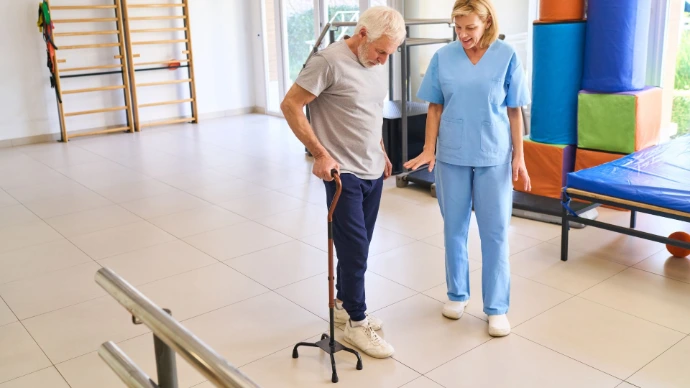
Because gait after stroke is highly variable, the timing between muscle activation and movement can shift from step to step—often beyond what can be observed during structured sessions alone.
Real-world
gait patterns
Adapting functional electrical stimulation in stroke rehabilitation.
Limited snapshots of movement
Clinicians carefully guide recovery, calibrating stimulation and therapy based on in-clinic observations and patient feedback.
Yet these decisions are often based on limited snapshots of movement, while real walking patterns evolve continuously outside the clinical setting.
Restore coordination
Understanding how stimulation aligns with real gait patterns is essential to restoring stable, coordinated movement.
Step to step
Because gait after stroke is highly variable, the timing between muscle activation and movement can shift from step to step—often beyond what can be observed during structured sessions alone.
The link between stimulation and stability
IEE's WalkinSense insoles capture 40+ gait parameters—heel strike, toe-off, stance symmetry, cadence—while FES delivers targeted muscle activation.
Sensors guide timing: stimulate dorsiflexion exactly when needed, building natural patterns.
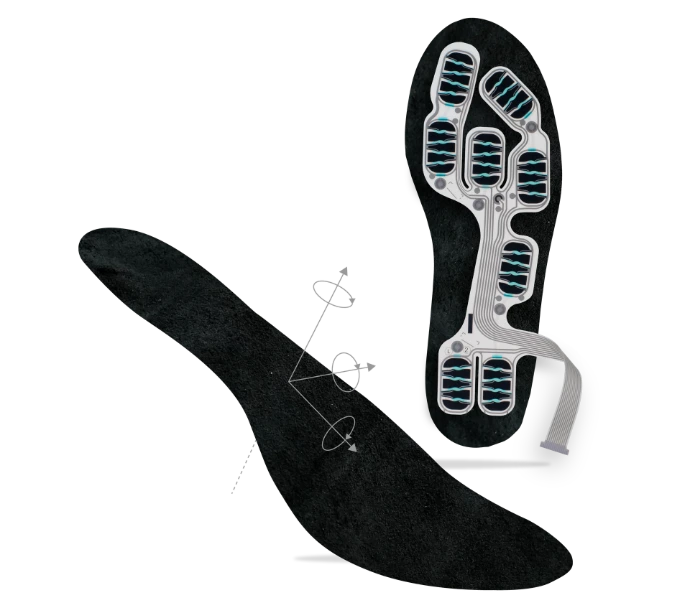
This motion intelligence turns electrical pulses into neurological reprogramming, restoring safer, smoother gait.
-45%
fall risk
+35%
stride symmetry improvement
This motion intelligence turns electrical pulses into neurological reprogramming, restoring safer, smoother gait.
-45%
fall risk
+35%
stride symmetry improvement
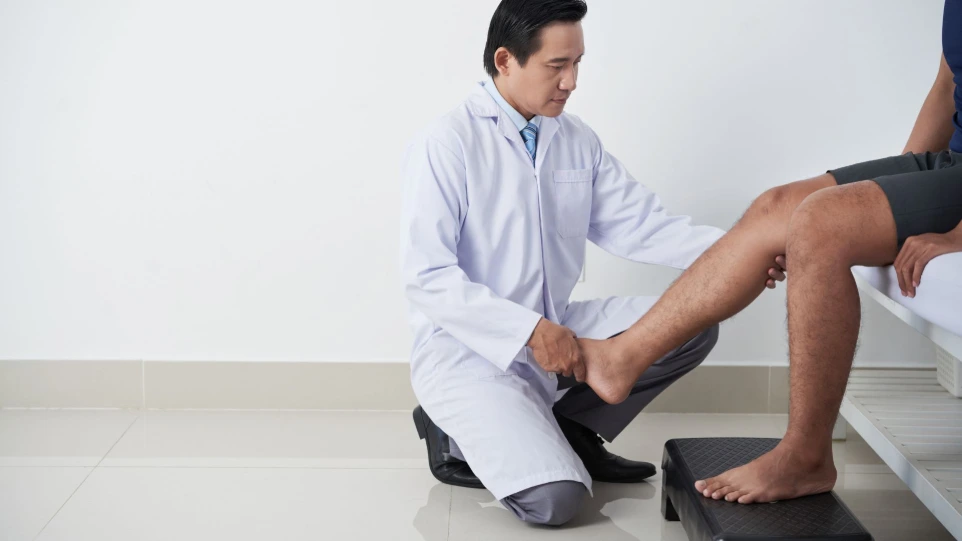
Smart insoles for confident steps
By knowing exactly when muscles need activation vs. natural control, therapy eliminates guesswork—confident steps replace hesitant shuffles, independence returns faster.
Built on decades
of sensing expertise
Clinical precision
40+ gait metrics, validated against motion capture.
Smart synchronization
FES triggers from real-time foot data.
Proven recovery
35% gait symmetry gains, 45% fall risk reduction.
Patient-centered
Comfortable daily wear, clinician dashboards.
IEE Health — Health through motion.

Built on decades
of sensing expertise
Clinical precision
40+ gait metrics, validated against motion capture.
Smart synchronization
FES triggers from real-time foot data.
Proven recovery
35% gait symmetry gains, 45% fall risk reduction.
Patient-centered
Comfortable daily wear, clinician dashboards.
IEE Health — Health through motion.